


From Cages to Open Skies: Inside The Wild Animal Sanctuary
- JoAnn Lagace
- Jan 12
- 18 min read

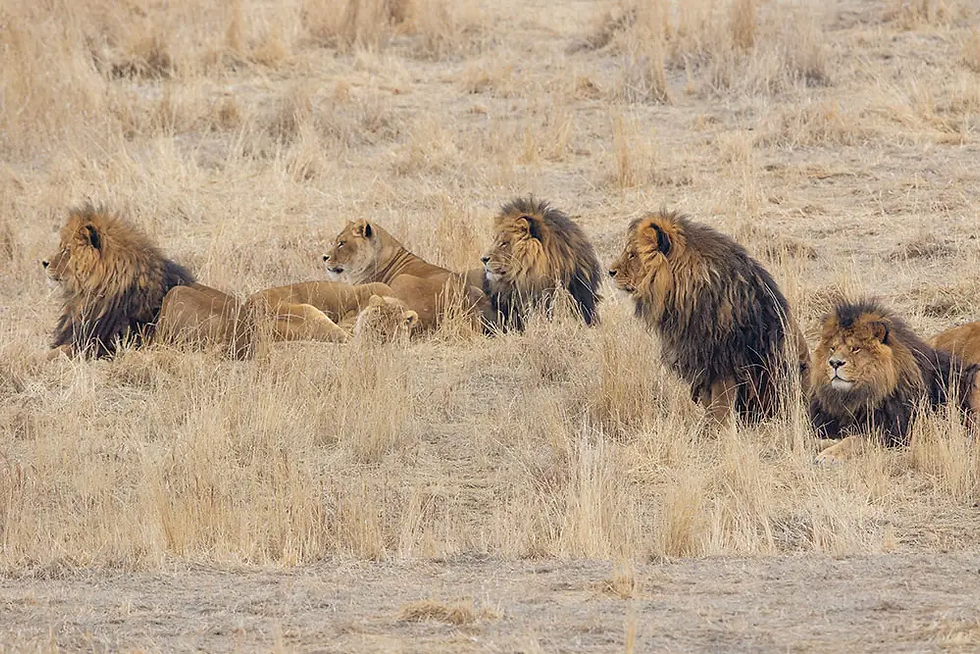
A pride of rescued African lions lounges together at The Wild Animal Sanctuary, enjoying the open space and companionship they never had in captivity. The Wild Animal Sanctuary (TWAS) is not your typical wildlife park. It’s a refuge where lions, tigers, bears, and other majestic animals get a second chance at life – free from the abuse and neglect they once endured. Founded in 1980 in Colorado, the sanctuary’s mission is twofold: rescue captive exotic animals in need and educate the public about the “Captive Wildlife Crisis” – the tragic plight of thousands of big cats, bears, and wolves kept in awful conditions around the world. In a world where the exotic animal trade is the third-largest illicit industry (after drugs and weapons), this sanctuary stands as a beacon of hope, proving that compassion can overcome cruelty.
A Sanctuary with a Mission (Not a Zoo or Circus)
Unlike zoos or roadside attractions, an accredited sanctuary operates on a philosophy of “animals first.” There’s no breeding, no selling, and no trading of the animals here – in fact, the motto at TWAS is “No mating, only dating,” meaning animals may socialize but will never be bred for profit or exhibition. This is critical because most rescued animals can never be released into the wild, so breeding them in captivity would only add to the number of animals needing lifelong care. The sanctuary wants to break the cycle of exploitation, not perpetuate it. As their team emphasizes, wild cats and bears “do not make good pets…they are not entertainment…and their body parts are not products”. In other words, at this sanctuary, lions get to just be lions, and bears get to be bears – not performers on display.
The result is a place that feels more like an animal retirement paradise than any zoo. Animals live in huge natural habitats with minimal human interference. Visitors observe from elevated walkways (more on that later) rather than face-to-face in cages, ensuring the critters feel safe and in control of their territory. This ethos of respect and rehabilitation defines everything TWAS does.
Three Sanctuary Locations, One Vision
The Wild Animal Sanctuary isn’t a single place – it’s actually three, each dedicated to giving animals the space and care they need:
Keenesburg, Colorado – The Main Sanctuary: About 50 miles northeast of Denver lies the heart of TWAS on 1,450 acres of rolling grasslands. This Keenesburg facility is the oldest and largest, home to over 950 rescued animals (mostly large carnivores like lions, tigers, bears, wolves, and more). It’s the only site open to the public for educational visits, featuring the famous elevated walkway and visitor center. Here is where most big cats and bears live in spacious habitats, and where the sanctuary’s journey began back in 1980. (It’s noteworthy that TWAS is recognized as the largest and oldest carnivore sanctuary in the world of its kind!)
Springfield, Colorado – The Wild Animal Refuge: Far to the south near Springfield, CO, the sanctuary operates a massive 10,000-acre wildlife refuge. This expansive property, with habitats ranging from 5 to 300+ acres each, serves as a quieter home for many rescued lions, tigers, bears, and wolves. It’s closed to the public to keep it as peaceful as possible. Here, animals can truly live in “amazingly natural habitats” that span forests, hills, and plains – a world away from the tiny cages they came from.
Craig, Colorado – The Wild Horse Refuge: In early 2023, TWAS expanded its mission to include America’s mustangs. The Wild Horse Refuge near Craig is a 30,000-acre sanctuary devoted entirely to rescued wild horses (mustangs). These horses had been removed from public lands by government round-ups. Now, instead of living in holding pens, hundreds of mustangs roam free again on this vast ranch. It’s the largest mustang sanctuary in the world, giving formerly captured horses a chance to regain the freedom and family bonds they lost.
Each location specializes in a different group of animals – big cats and bears in Keenesburg, more wild carnivores in Springfield, and wild horses in Craig – but they all share the sanctuary’s core vision: providing a safe, natural home for life. Across all sites, rescued animals enjoy large-acreage habitats (some habitats are dozens of acres each) with features like ponds to swim in, toys and structures for enrichment, and underground dens where they can shelter from weather. In fact, every habitat has underground dens that stay around 60°F year-round, allowing animals to escape extreme weather; bears even hibernate all winter in these cozy dens, as they would in the wild. No matter the species, each animal is treated as an individual and given space to heal.
Rescue Stories of Tragedy and Triumph
The animals at The Wild Animal Sanctuary come from truly heartbreaking backgrounds – but their endings are far happier. Many were confiscated from illegal private ownership, pulled from tiny backyard cages, or even from basements. Others were saved from the entertainment industry: circuses, roadside zoos, cub-petting operations, or movies, where they were often mistreated once the spotlight faded. Some were abandoned exotic “pets” that owners could no longer handle. If not for the sanctuary, almost all of these animals would have been euthanized or spent their lives in misery.
One high-profile saga highlights the sanctuary’s impact: the “Tiger King” rescues. The Netflix series Tiger King exposed the rampant abuse of big cats by certain private zoo operators. TWAS has been at the forefront of rescuing those animals. All the way back in 2017 – years before Tiger King aired – the sanctuary was called in to rescue 39 tigers and 3 bears from Joe Exotic’s roadside zoo in Oklahoma. Those 42 animals were relocated to Colorado, where they went from tiny chain-link cages to spacious open habitats under blue skies. In the years since, as authorities cracked down on Tiger King’s associates, TWAS stepped up again and again. By 2021, the U.S. Department of Justice was relying on the sanctuary to help remove big cats from abusive parks in Oklahoma and Indiana. In total, over 140 animals from the Tiger King saga now live at The Wild Animal Sanctuary – including lions, tigers, ligers, bears, and wolves that were once part of that dark world. Now, instead of pacing in concrete pits or being bred for photo-ops, those cats can feel grass under their paws and have full bellies and real families. As one article described, these 140+ rescues now enjoy “rolling grass under paw, and open sky to fill with roars” at the sanctuary. It’s a dramatic transformation from the misery they knew before.

Two tigers rescued from captivity share a gentle moment. Many big cats at the sanctuary are experiencing companionship and freedom for the first time in their lives. Not all rescues are famous, but each is special. Take Fifi the bear, for example. Fifi was an elderly female bear rescued from a dilapidated roadside zoo in Pennsylvania. She had spent 30 years in a tiny cage, forced to perform tricks as a cub and then forgotten for decades once the zoo shut down. When TWAS rescued Fifi, she was in awful shape – extremely thin (basically a “walking skeleton”), arthritic, with broken teeth that had been crudely filed down. She had never been able to hibernate in those 30 years of captivity (owners often prevent hibernation so bears can be displayed year-round). But her story turns happy: at the sanctuary, Fifi got the expert medical care and nutrition she needed. She felt grass and dirt under her feet, and even discovered the joy of a pool of water on her first day out of her holding pen. In just five months, her skinny frame filled out with healthy muscle, her coat grew thick and shiny, and – incredibly – Fifi hibernated through the winter for the first time in her life. Safe in an underground den with a full belly, her natural instincts finally kicked in. When she woke up in spring, she was like a whole new bear. Fifi’s story is just one of many elderly animals who come to TWAS and learn to trust again – experiencing proper care, friendship with other bears, and the freedom to act like a normal bear after decades of loneliness.
The sanctuary has rescued animals from all over the world: lions from Bolivia and Panama, tigers from roadside attractions in Texas, wolves from exotic pet situations, and even 22 Asiatic black bears from a bile-harvesting farm in South Korea. Each rescue is a complex operation involving law enforcement and the sanctuary’s experienced team, who often travel thousands of miles with custom-equipped trailers to bring animals to safety. And each rescue ends the same way: with a frightened animal arriving at TWAS and getting a new chance at life.
From Medical Care to Wild Air: Rehabilitating the Rescued
Rescue is just the first step. After that comes the delicate process of rehabilitation – healing the animals’ bodies and spirits and reawakening their natural behaviors. Many arrivals have lived in deprivation for so long that they don’t know how to be a tiger or bear or wolf anymore. Some have never had proper exercise or nutrition; some have psychological trauma or fear of other animals. The Animal Care team (including veterinarians, caregivers, and behaviorists) works patiently with each new resident to help them adjust.
New animals typically start out in a “temporary housing” area near the onsite medical center – think of it as their transitional apartment before they move to a big open habitat. Here, they have indoor-outdoor pens where they can see, hear, and smell the sanctuary environment in a controlled setting. They might spend days or weeks in these areas (sometimes nicknamed the “roundhouse” or “medical base housing”), where veterinarians give them thorough checkups, vaccinations, and any needed treatments. Crucially, males are neutered (or given contraceptives, in the case of lionesses) immediately, remembering that the sanctuary enforces a strict no-breeding policy. Many animals are also microchipped and have detailed records created for their health and history. Caregivers often provide extra enrichment here – like toys, pools, and hiding places – to encourage the newcomers to explore and recover from stress.
As the animals become healthier and more confident, the sanctuary team gradually introduces them to larger spaces and friends. “Throwing a tiger straight from captivity into a 20-acre habitat would be like handing the keys of a Ferrari to someone who’s never driven,” jokes TWAS’s PR Director, Austin Hill. So they take it step by step. First, a tiger or lion might be moved to a small acreage habitat with one or two compatible animals as companions. Over time, that group might be merged with another until a larger pride or pack forms. Socialization is key – a lot of these animals were kept alone in cages, and meeting their own kind can be overwhelming at first. At TWAS, caregivers carefully form “family groups” of animals and monitor their interactions in staging areas before giving them the run of a huge enclosure. In these interim enclosures, animals also learn about their new routine: for example, they start experiencing a natural feeding schedule. The sanctuary feeds carnivores at random times and in varied locations, mimicking the unpredictability of hunting in the wild. This helps break the animals’ expectation of being fed at a cage door at 9 am (as happens in zoos) and encourages them to stay active and alert.
Perhaps the most beautiful transformation is seeing animals reclaim their instincts. Imagine a middle-aged tiger feeling grass under his paws or seeing another tiger for the very first time. That happens often at the sanctuary. Many big cats and bears arrive having never walked on anything but concrete. “Some never saw their own species until they came to our care,” Austin shares – “they’re middle-aged tigers being a tiger for the first time, which is pretty inconceivable to humans”. Little by little, though, nature takes over. Claws in the grass, noses in the air – they start acting like real wild animals again. Tigers learn to stalk and play; lions form prides and roar in chorus; wolves run as a pack. One rescued lion, once kept isolated in a backyard, gradually integrated with other lions and now lounges contentedly among his adopted pride, rubbing heads and grooming like a family. Bears, who might have spent years in concrete pits, get to climb trees, dig in the dirt, and yes, hibernate properly. As Austin explains, you don’t teach a bear to hibernate – you just give it the right environment and its body remembers. At the sanctuary, as winter approaches, caregivers provide lots of fresh hay; the bears instinctively gather it into their underground dens to make beds. By their second winter in freedom, most rescued bears have “got hibernating down” pat – a sign that they finally feel secure enough to sleep for months, something they could never do when trauma kept them constantly on edge.
All of this rehabilitation is backed by excellent veterinary care. TWAS has a state-of-the-art veterinary hospital on site, equipped to handle everything from routine vaccines to complex surgeries for a 500-pound tiger. A full-time veterinarian and supporting vet staff are on hand, and the sanctuary also partners with specialists at Colorado State University for advanced care. The goal is to keep every animal as healthy and pain-free as possible, so they can fully enjoy their new life. For animals with chronic conditions (common in older rescues), the team provides special diets, medications, or modifications to habitats. For example, elderly arthritic bears get extra soft bedding and easy-access pools. Every effort is made to ensure these animals, many of whom suffered years of neglect, live out their days in comfort and dignity.
The People Behind the Paradise: Staff, Volunteers & Education
What does it take to run a place like this? An incredibly dedicated team of staff and volunteers, united by their love of animals. The sanctuary was founded by Pat Craig, who, as a young man, saw that zoo surplus animals had nowhere to go and vowed to make a difference. His passion created TWAS, and today, a small professional staff (animal care specialists, operations managers, educational guides, etc.) keeps the sanctuary running smoothly. But a huge part of the workforce is volunteers – in fact, the sanctuary prides itself on being “primarily an all-volunteer organization”. Volunteers assist with everything: preparing food (an enormous task – the carnivores alone eat ~45,000 pounds of meat per week!), cleaning and maintaining habitats, building fences, leading tours on the walkway, and even helping with rescues or administrative tasks. Retirees, students, families, and animal lovers of all backgrounds pitch in their time. They often brave Colorado’s extreme weather – scorching summers, snowy winters – to make sure the animals are fed and safe every single day. This dedication is fueled by a deep bond with the animals. Caretakers get to know individual animals’ personalities and stories; they’ll excitedly point out, “That’s Marsha, one of the Tiger King tigers – look how she plays now!” or “See those two black bears? They used to be so fearful, and now they’re inseparable friends.” Many volunteers say helping these creatures reclaim their lives is one of the most rewarding things they’ve ever done.
Education is also central to the sanctuary’s work. TWAS isn’t just a place for animals to recover – it’s a place for people to learn a better way to treat wildlife. At the Keenesburg location (the only one open to visitors), every guest goes through a short orientation when they arrive. A 15-minute video and briefing educate visitors about the animals’ backstories, the problems of the exotic pet trade, and how the sanctuary operates. It sets the tone: this is not a zoo where animals are there for entertainment; this is the animals’ home, and we are privileged to observe them quietly. Visitors then explore via the “Mile Into The Wild” elevated walkway, a 1.5-mile-long boardwalk that stretches over the habitats. This Guinness World Record-length walkway allows people to watch lions sunbathing, tigers swimming, and bears foraging – all from 30 feet above, so the animals are not disturbed in their territory. For many visitors, it’s an awe-inspiring experience to be above a pride of lions, hearing them roar, or to walk alongside a tiger as it prowls – with no bars in between. Educational signs and guided tours provide stories of individual rescues, teaching about why these animals needed sanctuary.
The sanctuary also reaches out through social media, newsletters, and community events to spread its message far and wide. They want people to understand the bigger picture: thousands of captive wild animals are out there in backyards, roadside zoos, and breeding mills, and it will take collective action to end that suffering. “Education is gigantic for us,” says Austin Hill. By showing the public how not to treat wild animals and how beautiful these creatures are when respected, TWAS hopes to inspire changes in laws and hearts. Schools often bring students for field trips, and the sanctuary staff gives presentations about wildlife conservation and ethical animal treatment. In essence, every rescue is a chance to teach, and every visitor might leave as a new advocate for animal welfare.
And indeed, hearts are moved on a daily basis. It’s hard to remain unmoved when you read about a tiger that spent years in a tiny cage now chasing butterflies in a 20-acre field, or when you see a once-abused bear lounging peacefully under the Colorado sun. The sanctuary often shares these emotional “before and after” stories in their newsletters – reminding supporters that together we can turn suffering into joy.
Community, Fundraising, and How You Can Help
Operating a sanctuary of this magnitude is an expensive endeavor – feeding and caring for over 1,000 large animals (across all locations) is a herculean task. TWAS is a registered 501(c)(3) nonprofit, and unlike state zoos, it receives no government funding for its operations. This means the sanctuary relies entirely on the generosity of the public – compassionate individuals, families, foundations, and businesses who believe in its mission. Thankfully, there is a strong community of supporters who keep the sanctuary going, one donation at a time. In fact, the vast majority of funding comes from small donations by everyday people who care about the animals. To supplement this, the sanctuary organizes creative fundraising events and programs that both raise money and engage the public.
One of the most unique experiences TWAS offers is the Summer Safari Dinner series – a yearly fundraising tradition. For a hefty donation (which goes directly to the animals’ care), supporters can enjoy an exclusive dinner at the sanctuary, often held right inside the lion house! Imagine eating a gourmet meal with sanctuary staff and volunteers, while listening to lions caroling their thunderous roars in the background. It’s a safari-like evening under the stars of Colorado. These dinners began years ago when the sanctuary opened a large indoor habitat for a group of rescued Bolivian lions. The lions would roar throughout the evening, creating an unforgettable atmosphere. The tradition continues on select summer nights, now with a limited number of guests for an intimate experience. Attendees get to chat one-on-one with senior staff and caretakers, hear behind-the-scenes rescue stories, and know that their ticket price is going to feed and house the very animals roaring in the night. It’s truly “the most unique dinner imaginable,” as the sanctuary puts it – dinner with lions! – and it has become a roaring success (pun intended) in generating funds.
Other events dot the calendar as well: The sanctuary has hosted classic car shows where automobile enthusiasts gather on the property, “Wild Nights” camping events for families, and even an annual concert called the Summer Serenade. There’s also an Into The Wild Running Festival, where participants run a 5K or 10K that winds near the habitats – racing for a cause. Local businesses often pitch in to sponsor these events or donate auction items, creating a wonderful community spirit. Corporate donations and sponsorships play a role, too; some companies have “adopted” habitats or provided grants for the construction of new enclosures. (For example, a corporation might fund a new tiger house or donate vehicles for the rescue fleet.) The sanctuary welcomes business memberships and partnerships, recognizing that helping these animals is a shared societal responsibility.
Individuals and families can support TWAS through memberships and sponsorships as well. A Sanctuary Membership functions similarly to a zoo membership – for an annual fee, members get free entry for the year to visit the animals as often as they like, plus perks like guest passes and gift shop discounts. It’s a great way for locals to enjoy the sanctuary regularly while providing steady funds for the animals’ care. Many members drop by every few weeks to check on their favorite animals and see how they’re thriving. There are also options to “Adopt” or Sponsor an animal – a symbolic adoption where your donation goes toward that animal’s food and care, and in return, you receive updates and photos of your furry adoptee. Kids love “adopting” a lion or tiger and knowing they’re helping care for it. For those thinking long-term, the sanctuary even has a planned giving program for legacy donations and an “Endowment Fund” to secure its future.
Last but not least, one of the most powerful ways to help is by volunteering your time. As mentioned, volunteers are the lifeblood of the sanctuary. If you live nearby (or even if you’re willing to travel), you can apply to become a volunteer in various capacities. Whether it’s assisting with animal feeding, guiding tours on busy weekends, helping with construction and maintenance, or pitching in at events, volunteers find there’s always something to do. The sanctuary provides training – you don’t need prior exotic animal experience to contribute, just a big heart and commitment. Some volunteers come once a week, others a few times a year for special events. All of them become part of the sanctuary family, united by the smiles they see on tigers, bears, and lions who know they’re safe.
Answering the Call: Be Part of the Change (Call to Action)
Every person who supports The Wild Animal Sanctuary becomes a crucial part of this uplifting story. There are many ways you can get involved and make a difference:
Visit: If you’re in Colorado (or planning a trip), consider visiting the Keenesburg sanctuary. Seeing the animals and the mission firsthand can be life-changing. Bring your family, walk the Mile Into The Wild walkway, and learn about why these rescues matter. Your admission ticket or membership helps fund the care of the animals, and the knowledge you gain is invaluable.
Donate: Even if you’re far away, a donation of any size directly helps feed and shelter the animals. As little as 60 cents a day (the cost of a soda) adds up to provide a lion or bear with a healthy diet and vet care. You can donate once or become a monthly supporter. Remember, the sanctuary operates entirely on donations – every dollar truly counts. You can also donate in other creative ways: contribute to the wish list (they often need things like building materials, tools, etc.), donate a vehicle or stocks, or include the sanctuary in your will to leave a legacy for the animals.
Adopt/Sponsor an Animal: Symbolically adopt one of the sanctuary’s residents. You’ll typically receive a certificate and updates, and you’ll know that your funds are caring for that specific animal. Some people sponsor a favorite animal annually as a meaningful gift or in memory of a loved one. It’s a beautiful way to form a personal connection with the sanctuary’s work.
Volunteer: If you have time and passion, volunteering is a hands-on way to help. From teenagers to retirees, everyone has skills that can contribute – whether it’s construction, education, event planning, or just a willingness to roll up your sleeves. By joining the volunteer crew, you become one of those dedicated heroes working behind the scenes to give these animals the life they deserve. Check the sanctuary’s website for the volunteer application and requirements.
Spread the Word: Education and advocacy are key to ending the captive wildlife crisis. Follow The Wild Animal Sanctuary on social media and share their posts. Tell friends and family about the sanctuary and the issues with private exotic animal ownership. The more people know, the more they’ll support changes. You can also support legislation aimed at protecting captive wildlife – for example, laws that ban keeping tigers and lions as pets or that prohibit abusive roadside zoos. (In late 2022, a major law called the Big Cat Public Safety Act was passed in the U.S., making it illegal for individuals to breed and own big cats as pets – a huge victory that sanctuaries like TWAS strongly advocated for.) By contacting your representatives or voting for animal-friendly policies, you help prevent future animals from suffering the way our sanctuary residents did.
Be an Ethical Tourist: If you love animals, vow to never support exploitative attractions. Don’t pay for cub petting, elephant rides, or marine shows that use captive wild animals. Instead, support true sanctuaries and conservation projects. Your choices matter. As TWAS often says, “when the buying stops, the abuse stops.” By cutting off the demand for exotic pets or animal entertainment, we can stop the problem at its source.
In conclusion, The Wild Animal Sanctuary is more than a refuge for animals – it’s a movement. It shows what compassion, dedication, and education can accomplish. Lions who once knew only loneliness now roar in unison with their pride at sunset. Tigers who had barely enough room to turn around now stalk through grasses and swim in cool ponds. Bears who lived in fear now snooze peacefully through the winter in secure dens, dreaming bear dreams. These animals have suffered the worst of humanity and then been given the best of humanity. Each rescue is an emotional journey from darkness into light, and you’re invited to be part of that journey.
Your support – whether through donations, volunteering, or simply spreading awareness – is a direct investment in kindness. It helps right the wrongs done to these magnificent creatures. As you finish reading this, consider this a personal invitation to get involved. Visit the sanctuary’s website or social media to see photos and videos of the animals you can help. Plan a trip to witness the roars and purrs in person if you can.
Together, we can ensure that these animals continue to live happy, natural lives and that future generations of wild animals won’t need sanctuaries at all because the practices that harmed them will be a thing of the past. Until that day, The Wild Animal Sanctuary will be there – rescuing, healing, teaching – a testament to the incredible resilience of animals and the profound impact of human compassion. Join this mission of mercy and be a voice for the voiceless. Every roar you hear on the Colorado plains is a thank you – and a celebration of freedom – made possible by people like you.

If you’re looking for an unforgettable cause to support, look no further: lions, tigers, bears (and many more) are waiting for champions like you. Let’s help them live and thrive!
A rescued black bear stands tall in the sanctuary’s vast habitat, finally free to roam. Public support ensures that abused animals like this bear get to live out their days in peace and safety.
Visit The Wild Animal Sanctuary to learn more, plan a visit, or make a contribution. Together, we can give these animals the life they deserve and put an end to the suffering of captive wildlife.
Comments